Civil Structure Strategy

- 14 Sections
- 15 Lessons
Chat GPT Books
1 Lesson
Strong Towns - A Bottom-Up Revolution to Rebuild American Prosperity
1 Lesson
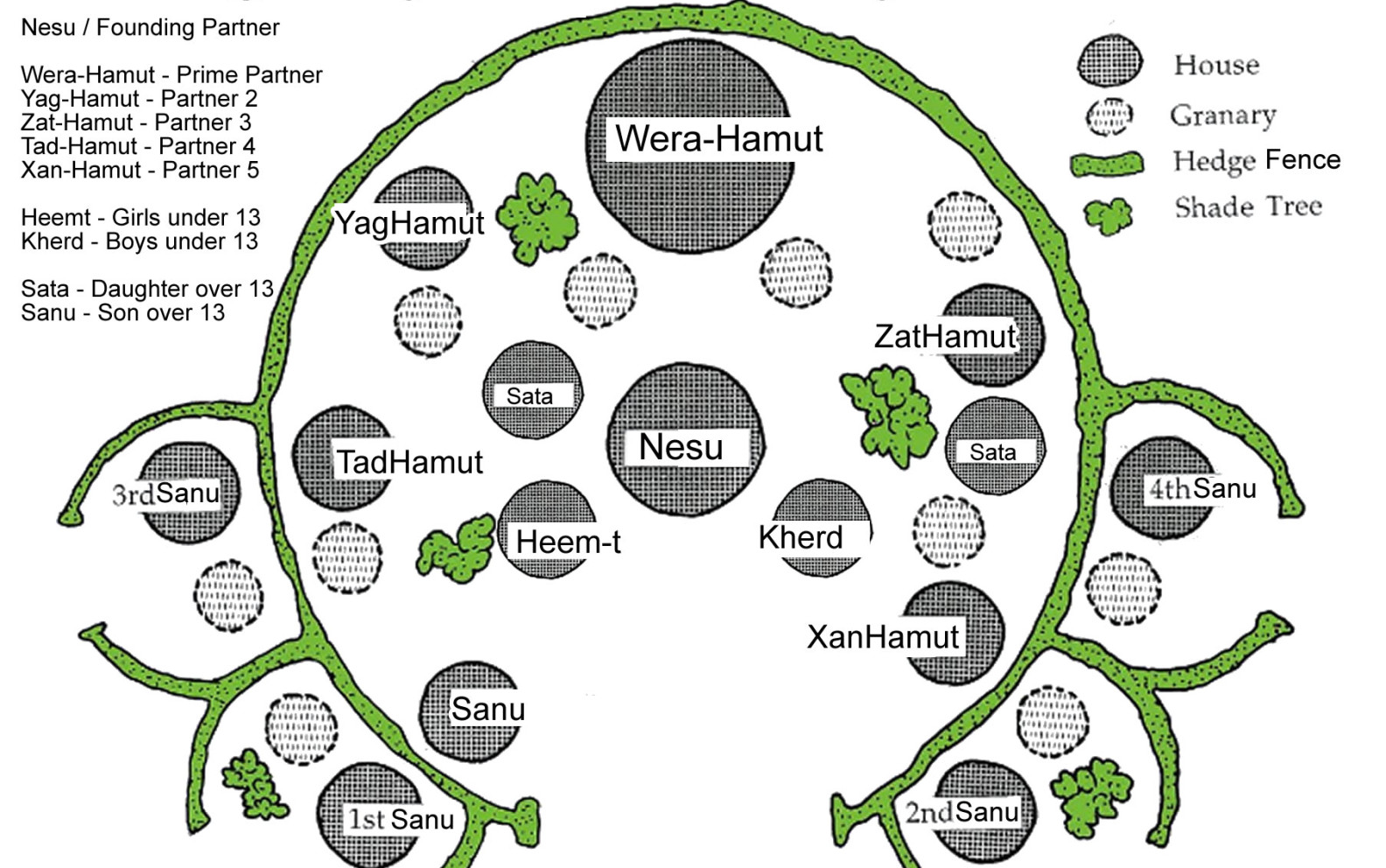
Luo Tribe Kenya Homestead
2 Lessons
The Social Life of Small Urban Spaces — William H. Whyte
1 Lesson
Planning Sustainable Cities — UN-Habitat manual
1 Lesson
Urban Economics - Arthur O’Sullivan 3h
1 Lesson
The Death and Life of Great American Cities 18hr
1 Lesson
The Image of the City — Kevin Lynch 3h
1 Lesson
Escaping the Housing Trap: The Strong Towns Response to the Housing Crisis 10hr
1 Lesson
Cities of Tomorrow Navigating the Digital Revolution in Urban Planning 7hr
1 Lesson
How to Make our Cities More Walkable | Jeff Speck
1 Lesson
Planninng Cities 101: A Practical Introduction 3hr
1 Lesson
How China Works | S01 EP01 | China’s Mega Cities 1hr
1 Lesson
Every Urban Planning Concept Explained 4hr
1 Lesson
A Civil Structure Strategy is a holistic plan for designing, building, and maintaining essential infrastructure (roads, bridges, water systems, etc.) that balances safety, functionality, sustainability, and cost, focusing on load transfer, environmental resilience, efficient use of materials, lifecycle management, and often integrating modern tech like sensors for real-time health monitoring (Structural Health Monitoring - SHM) to ensure long-term performance and societal benefit.
Core Components of a Strategy
- Safety & Integrity: Ensuring structures withstand all loads (dead, live, wind, seismic) using analysis (like FEA) and robust design principles.
- Functionality: Designing for optimal use, traffic flow, accessibility, and user experience.
- Sustainability: Minimizing environmental footprint through material choices (recycled, low-carbon) and design.
- Economic Viability: Balancing initial costs with long-term maintenance and lifecycle value.
- Resilience: Planning for climate change, extreme events, and potential hazards.
Key Strategy Elements & Trends
- Smart Structures: Integrating sensors, AI, and data analytics for monitoring, vibration control, and even self-repair.
- Lifecycle Management: Strategies for maintenance, repair, and eventual decommissioning, not just initial construction.
- Digital Tools: Using BIM (Building Information Modeling), simulation (FEA), and GIS for better planning and execution.
- Strategic Consulting: Early engagement for high-level planning, feasibility, and innovative problem-solving.
The Process (Simplified)
- Conceptual Design: Initial ideas & site analysis.
- Load Analysis: Determining forces the structure will face.
- Structural Analysis: Using software to model and test designs.
- System/Element Design: Detailing beams, columns, slabs.
- Construction: Site execution with quality control.
- Monitoring & Maintenance: Ongoing health checks (SHM).
In essence, a civil structure strategy moves beyond just building; it's about creating enduring, intelligent, and adaptable infrastructure for society's needs.
Want to submit a review? Login